|
|||||||
|
VOLUME 22, ISSUE 46 • November 12, 2026 Neil Sperry editor. Gretchen Drew design and circulation. |
|||||||
|
|||||||

|
|||||||
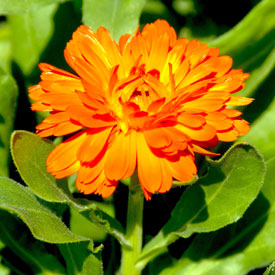 |
Gardening This WeekendTemperatures are dropping a little at a time, and that's a good thing. It "hardens" our plants as winter approaches. We, too, need to get things ready for winter and I have my tips for this weekend. Photo: Calendulas are little-used annuals, but they can be planted in South Texas now, also in protected spots farther north. |
||||||
|
|
|||||||
 |
|||||||
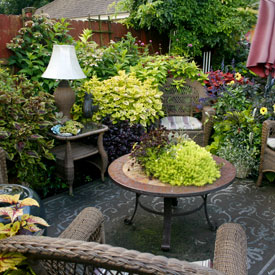 |
Escape rooms - garden style
|
||||||
|
|
|||||||

|
|||||||
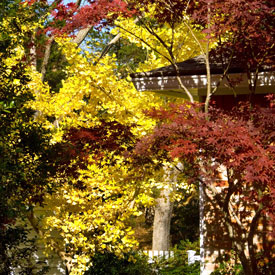 |
How much is that tree worth?Estimating the dollar value of a shade tree in your landscape is a job best left for a certified arborist. They are, after all, the people who work with trees for a living. But we can learn some of the basics they consider. I'll outline them in general terms. Photo: Placing a dollar value on our ginkgo and Japanese maple would be challenging to say the least. |
||||||
 |
|||||||
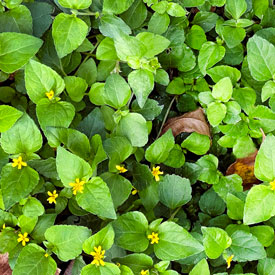 |
Horseherb is pretty in some eyesI've never written about horseherb in the 35 or 40 years that it's been an item in Texas landscaping, but this little patch caught my eye on the way into church last Sunday morning. I've grown it for most of those years, and I've had some amazing (good and bad) experiences with it. Let me tell you about them. Photo: How horseherb looked 5 days ago in McKinney. |
||||||
|
|
|||||||

|
|||||||
 |
Q&A
– Ask Neil
|
||||||
|
|
|||||||
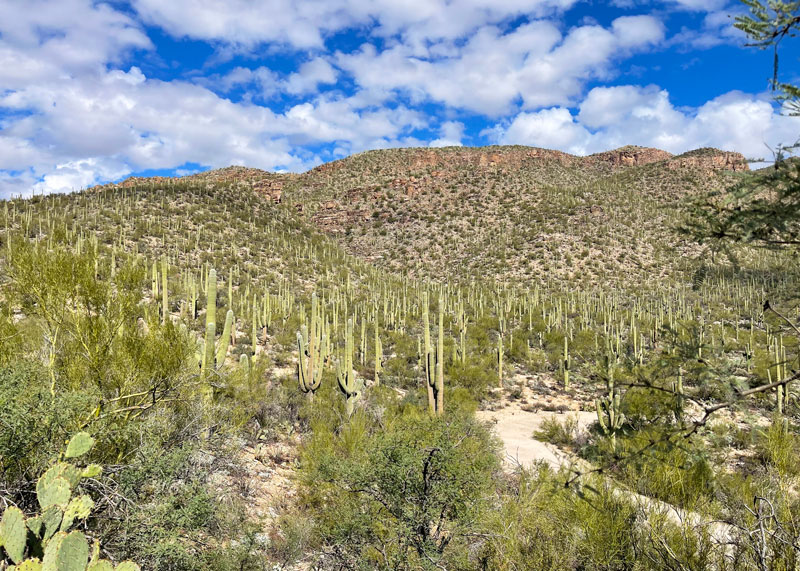
And, in closing…That's all I have for you this week, but I'm out on the trail searching for more fun and important topics for your next e-gardens, same time, same place next week. Before I go, though, I'll share a story from our two sons. Brian does stats for the TCU football radio broadcasts. That took him to Tucson last weekend as they played the University of Arizona. His brother Todd drove over from Sherman Oaks, California, to join him, and our two guys went hiking on the Bear Canyon to Seven Falls Trail in the Coronado National Forest north of Tucson. I've never been in southern Arizona - in fact, I've never seen these largest cacti from America growing in their native settings. From our sons' descriptions, photos, and videos, it looks like a great place to go in the cooler months. I share with you one of Brian's photos.
Saguaros (Carnegiea gigantea) are native to the Sonoran Desert of southern Arizona and western Mexico. They grow very slowly to 40-50 ft. tall (very rarely taller) after many decades. The side arms don't show up until the plants are 50 years old or older, and the plants may live to be 150 to 200 years old. In Texas they would have to be grown in a bright greenhouse, and they would require ultimate patience. A 5-year-old plant might be only a few inches tall. There you have it. A newsletter about Texas gardening with a little bonus about the Desert Southwest where it's been raining. I hope you've enjoyed it all, and I hope you'll tell anyone who will listen about us. Tune me in on the radio this weekend. Until then, thanks for listening… And happy gardening!
|
|||||||
Subscribe to Neil's Podcasts!Available for both Apple and Google Play
|
|||||||